
About Cínovec
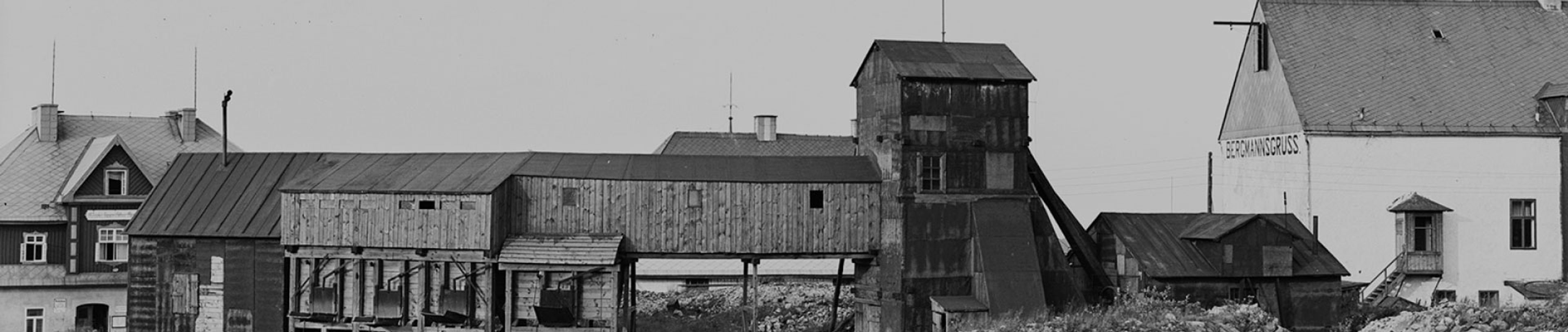
This is not the first time that valuable ore from Cínovec has been brought to the surface. Indeed, metal mining has a long history and tradition in this area. For centuries, it has provided a living for the inhabitants of the Ore Mountains. Cínovec was originally a mining settlement, and it was the mining of ores that gave it its special significance. The name of the town is derived from the word “cín” (“Tin” in English). Mining activity in Cínovec began in the Middle Ages.
At first it involved the panning of tin and tungsten minerals (cassiterite and wolframite) in streams, and later the quartz veins that came to the surface in the area near the border with Germany were quarried.
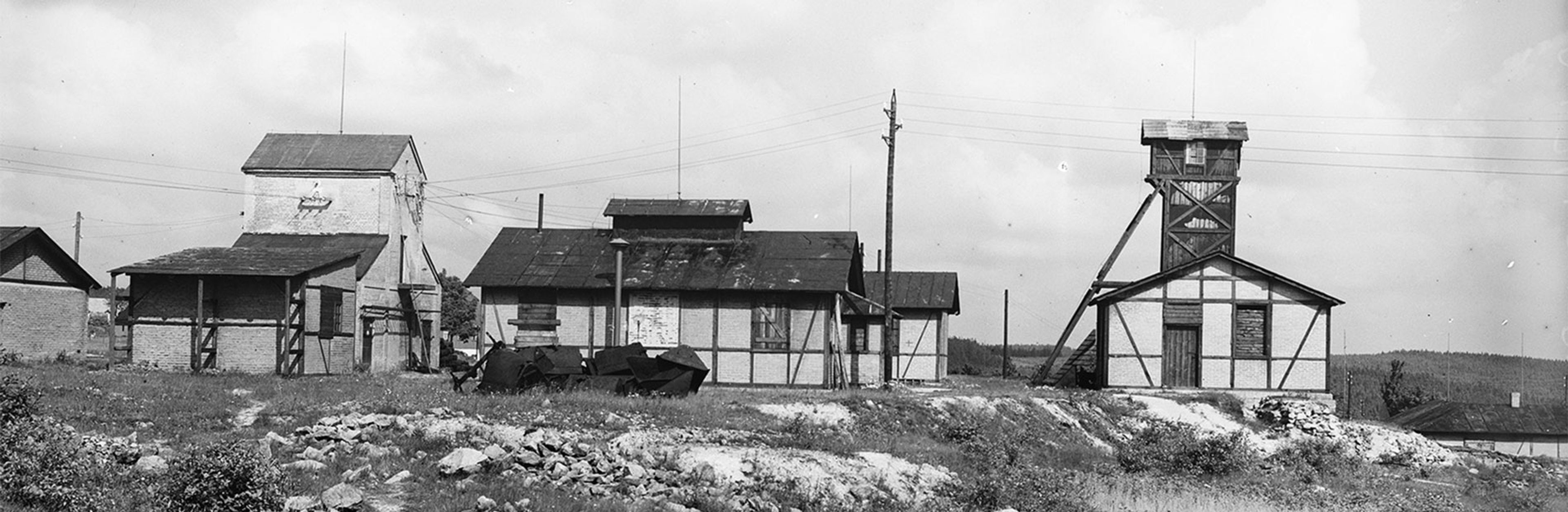

The acquisition of metals on the Czech side accelerated during the war and lasted until 1991. Mining activity on the Czech side of Cínovec was carried out from the “Old Plant”, where about 8 quartz veins rich in tin and tungsten were mined. The mining tradition has also become an important impetus for tourism in the region. In the Ústí nad Labem Region and the whole area of the Ore Mountains and its surroundings, there are a number of museums or former mine tunnels open to the public.
One of the largest is on the German side, the Zinnwald sightseeing mine. Two kilometres of tunnels are accessible. The tour takes about 1.5 hours and is a popular local attraction.
In the Czech part of the Ore Mountains, those interested in learning about mining can visit, for example, Krupka, where the museum and the Starý Martin mine shaft are located. Tourists can visit another shaft in Mikulov near Teplice. Other tourist destinations include the Podkrušnohorské Technical Museum in Most - Kopisty, where there is an exhibition of mining, a rescue exhibition, and a 300-metre long tunnel. The important tunnels in the vicinity of Jáchymov, such as Johannes and Mauritius, are also interesting for visitors.
It is thanks to such important mining monuments, which have shaped the local landscape since time immemorial and have given rise to the unique appearance of the Ore Mountains, that the entire Ore Mountain mining region was added to the UNESCO World Heritage List in 2019.
We would like to bring mining activity back to the area and we want to treat this legacy with respect and promote tourism to the area. The production of lithium itself can also become a destination for industrial tourism.
Photographs: © SLUB Dresden / Deutsche Fotothek / Schulz, Paul